TEDWARD.NET · A WEEKLY DEV BLOG BY TED WARD
Dispatches from the sharp end of AI & software.
SHOWING 7 / 74 DISPATCHES — TOPIC: ALL
ALL 74 POSTS ↗
The Artisan’s Fallacy: Why Banning AI from Open Source is a Doomed Defense of Craft
Examining the fallout from recent open-source bans on AI code and non-English participation. Discover why trying to protect craft by mandating friction is a historical mistake, and why software engineering is shifting from manual execution to architectural governance.
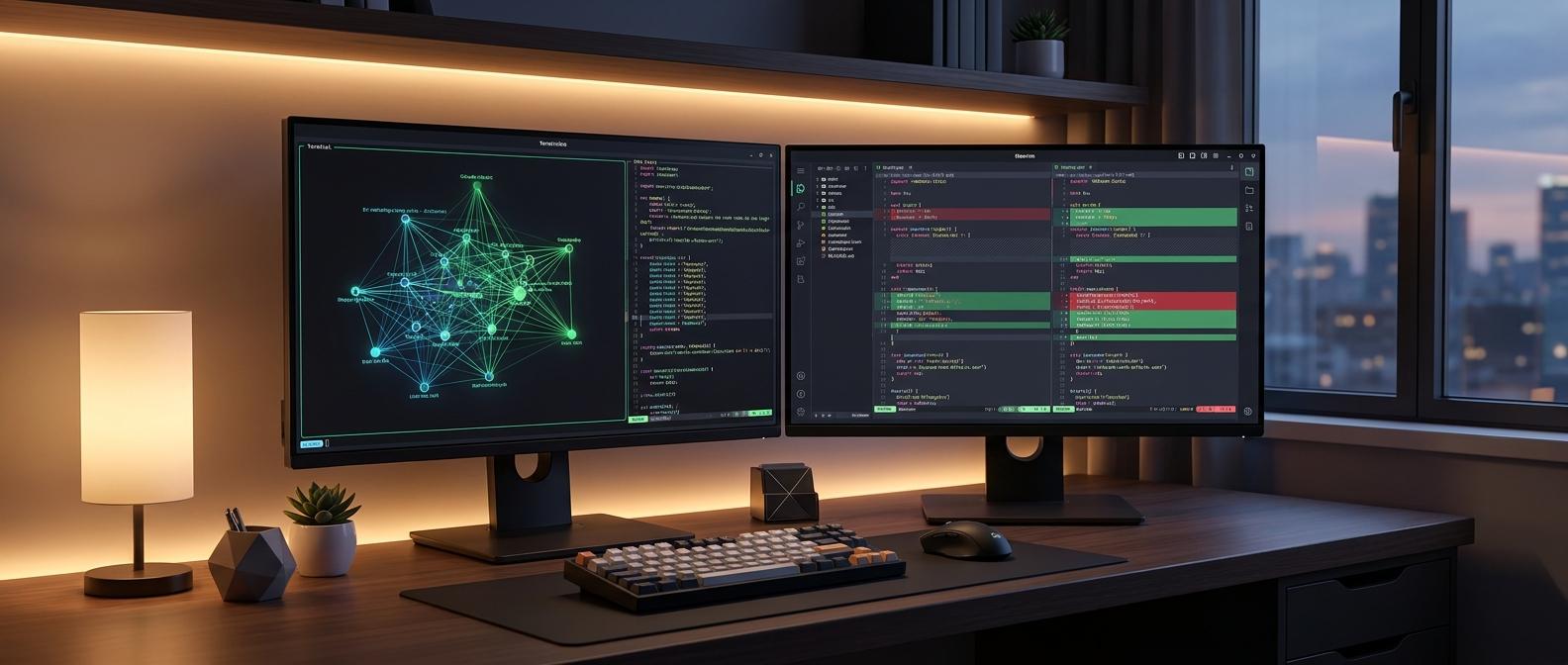
The Circular Journey of My Developer Workflow: From Notepad to Agent-Driven Terminals
Developer workflows aren't static endpoints; they are constant experiments. Here is how my setup evolved from basic text editors to AI-driven terminal orchestration with Herdr, and why everything in tech is circular.

The Kickflip and the Merger: Why Tesla's Roadster Stunt Signals Consolidation
The Tesla Roadster's mid-air kickflip was not just a stunt. It was a calculated signal. Here is why the event in Texas predicts an impending multi-trillion-dollar merger between Tesla and SpaceX.
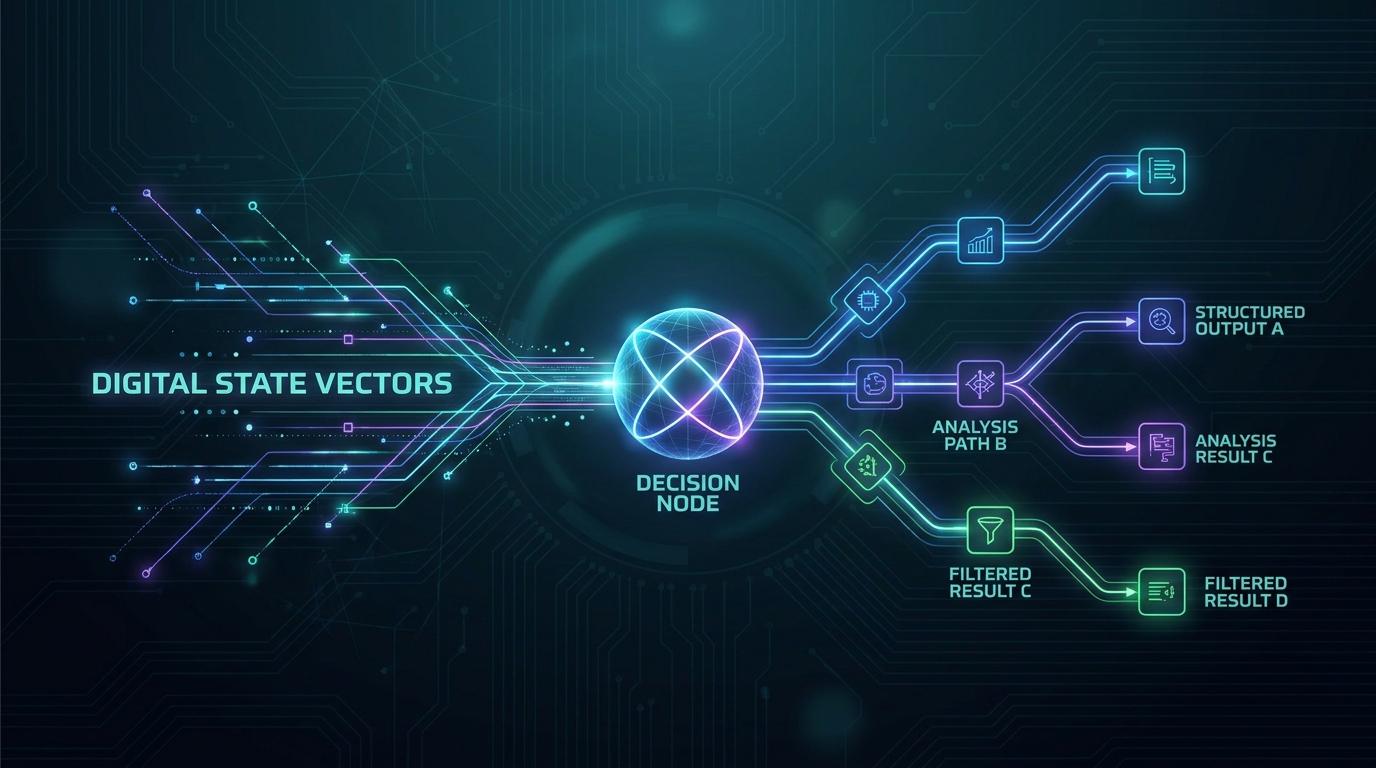
Decisions, Not Strings: Why TypeSafe's Jev Changes System Architecture
For years, developers have forced Large Language Models to act as glorified decision engines wrapped in fragile schema parsers. TypeSafe's Jev introduces System One models designed for structured, typed decisions rather than token generation. Here is why this architectural shift matters for software engineering.
The Generational Fumble: Why Google Is Retreating Behind the Walled Garden
Google held every advantage in the AI revolution: custom TPUs, the original transformer architecture, and bottomless ad profits. Here is why they fumbled developer mindshare and are retreating behind enterprise lock-in.
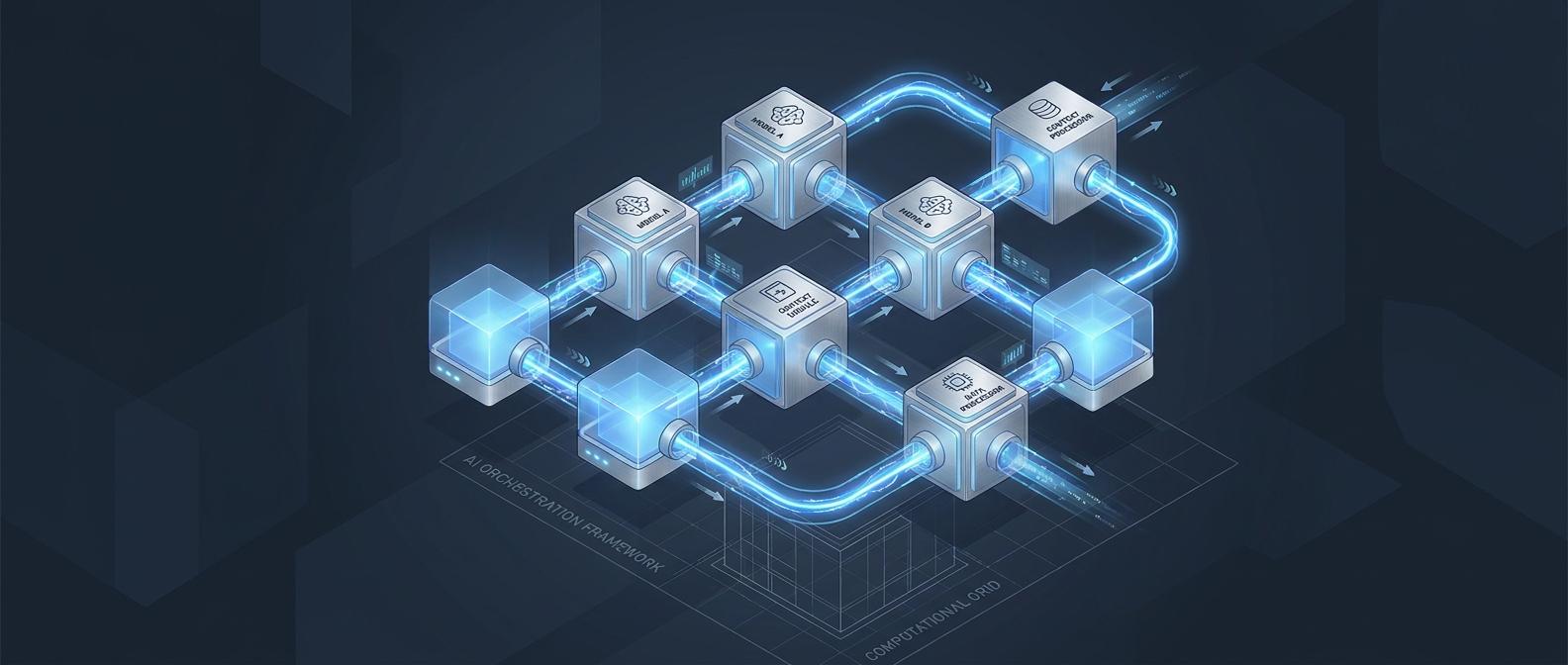
The LLM Plateau: When the Model Stops Being the Moat
As the brute-force scaling of LLMs encounters economic realities, the primary AI moat is shifting from raw model intelligence to context and coordination layers. Discover why context is the new source code and how to build decoupled, resilient AI architectures.