TEDWARD.NET · A WEEKLY DEV BLOG BY TED WARD
Dispatches from the sharp end of AI & software.
SHOWING 7 / 72 DISPATCHES — TOPIC: AI/ML
ALL 72 POSTS ↗
The Kickflip and the Merger: Why Tesla's Roadster Stunt Signals Consolidation
The Tesla Roadster's mid-air kickflip was not just a stunt. It was a calculated signal. Here is why the event in Texas predicts an impending multi-trillion-dollar merger between Tesla and SpaceX.
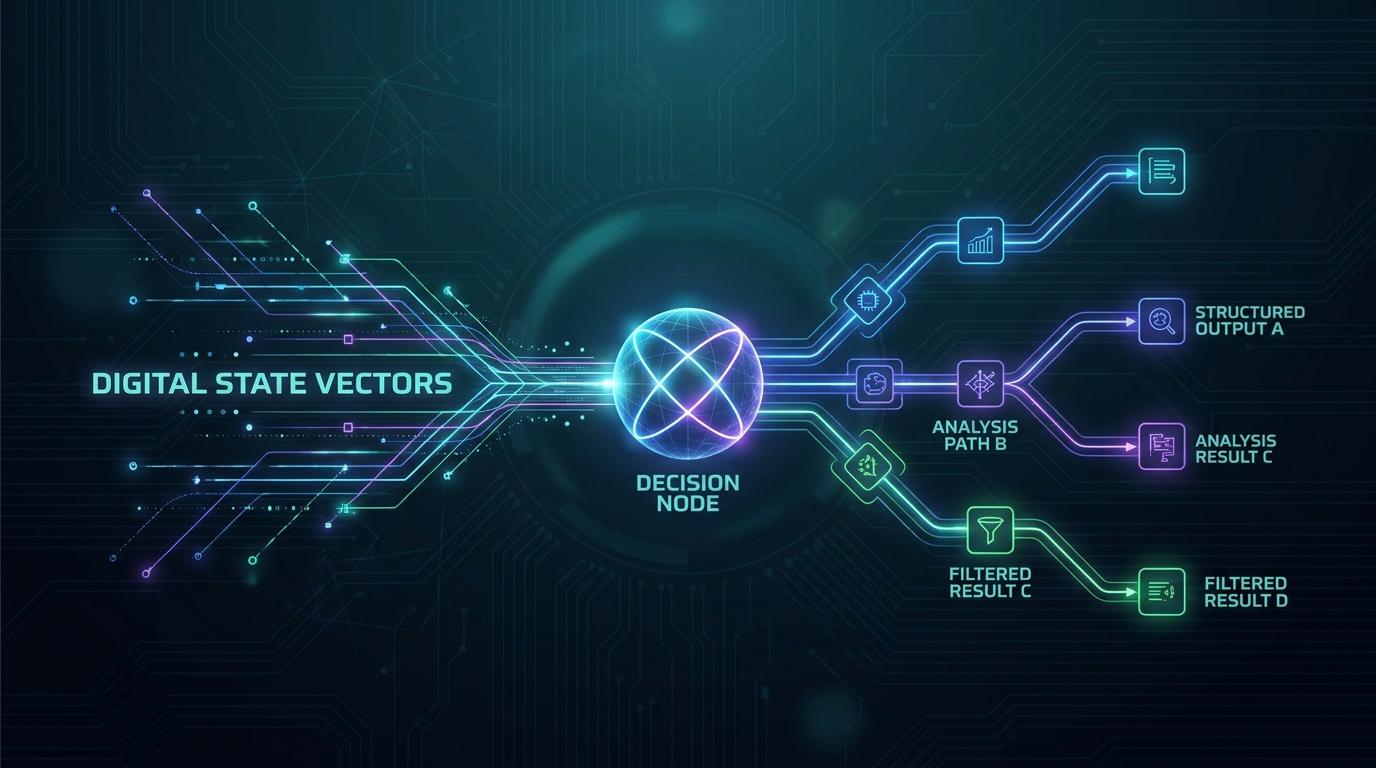
Decisions, Not Strings: Why TypeSafe's Jev Changes System Architecture
For years, developers have forced Large Language Models to act as glorified decision engines wrapped in fragile schema parsers. TypeSafe's Jev introduces System One models designed for structured, typed decisions rather than token generation. Here is why this architectural shift matters for software engineering.
The Generational Fumble: Why Google Is Retreating Behind the Walled Garden
Google held every advantage in the AI revolution: custom TPUs, the original transformer architecture, and bottomless ad profits. Here is why they fumbled developer mindshare and are retreating behind enterprise lock-in.
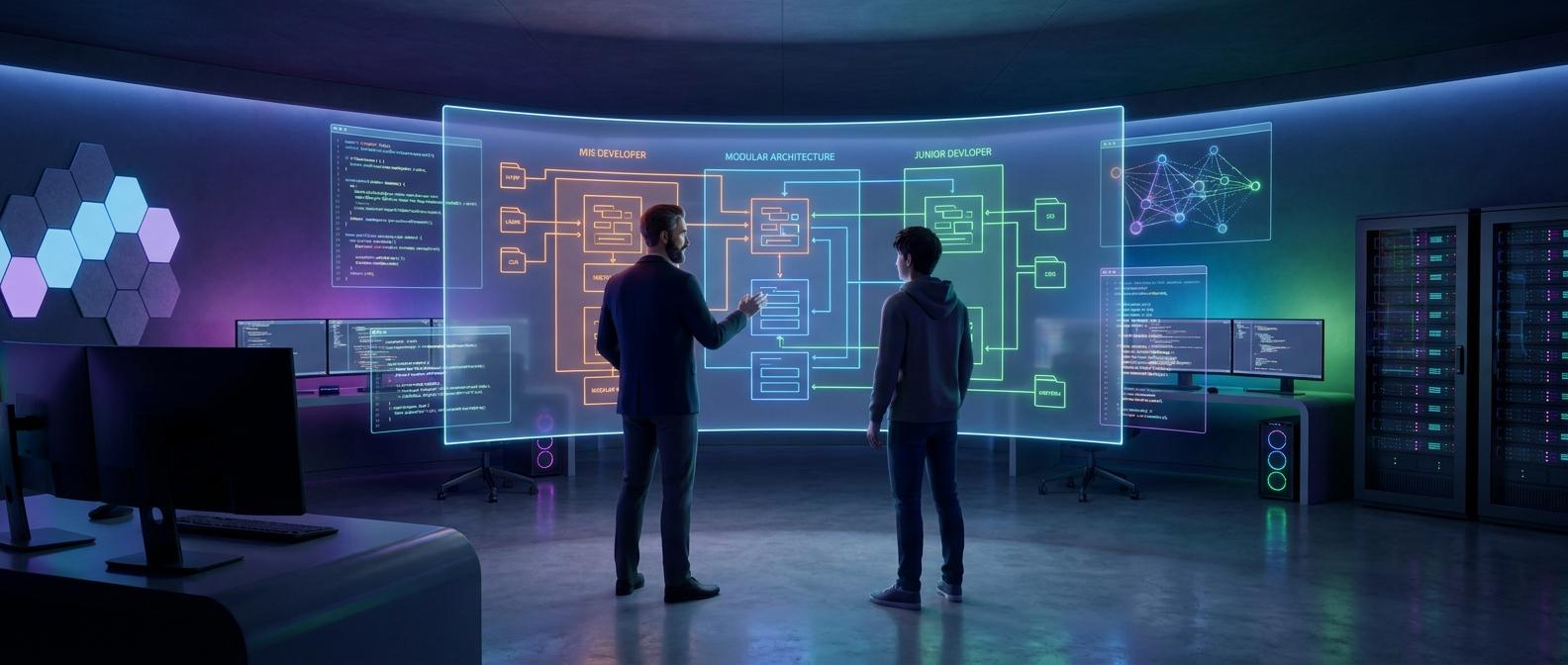
From Typist to Architect: How to Teach Software Engineering in the Age of AI
In the era of generative AI, teaching syntax line-by-line is obsolete. Discover how to mentor junior engineers on architectural patterns, separation of concerns, and guiding AI to produce robust, scalable code.

Being My Own First Customer: What Dogfooding the Rebuilt Foundry Actually Broke
When pointing the newly rebuilt Foundry at a real-world, 5,574-file monorepo, the context graph did not gracefully scale - it broke. Here are the 25 bugs, quadratic bottlenecks, and silent hallucinations uncovered by dogfooding an AI context substrate.

From Dashboard to Dispatch: Redesigning tedward.net
After a year of 'temporary' design, tedward.net has been completely rebuilt from the ground up. This redesign moves away from the static dashboard model to an editorial-first platform that reflects my weekly focus on AI engineering.
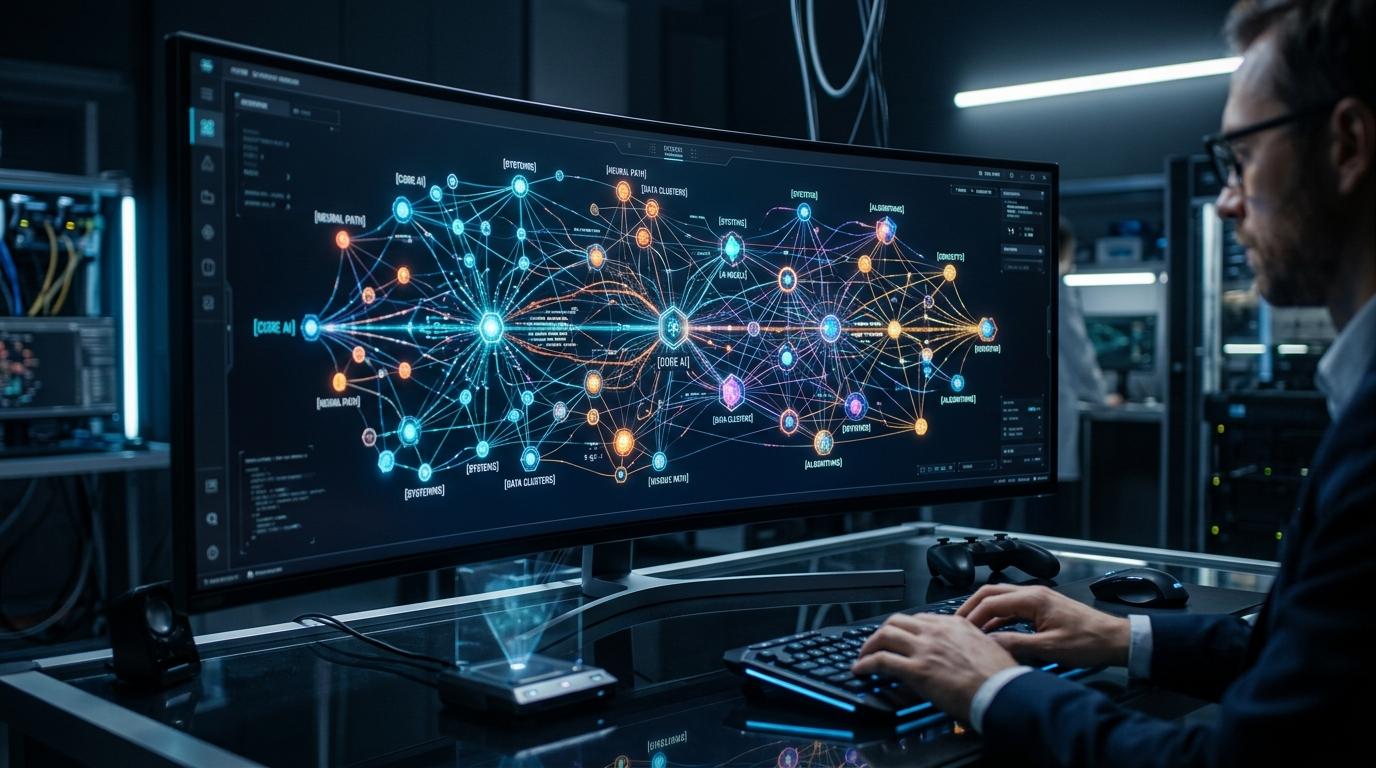
The Foundry Update: Architecting Multi-Agent Intelligence
After a total overhaul of The Foundry, I am shifting my strategy. By focusing on granular model selection and graph-based codebase management, I am prioritising organic adoption over a premature public release.