TEDWARD.NET · A WEEKLY DEV BLOG BY TED WARD
Dispatches from the sharp end of AI & software.
SHOWING 7 / 72 DISPATCHES — TOPIC: Industry Analysis
ALL 72 POSTS ↗
The Kickflip and the Merger: Why Tesla's Roadster Stunt Signals Consolidation
The Tesla Roadster's mid-air kickflip was not just a stunt. It was a calculated signal. Here is why the event in Texas predicts an impending multi-trillion-dollar merger between Tesla and SpaceX.
The Generational Fumble: Why Google Is Retreating Behind the Walled Garden
Google held every advantage in the AI revolution: custom TPUs, the original transformer architecture, and bottomless ad profits. Here is why they fumbled developer mindshare and are retreating behind enterprise lock-in.
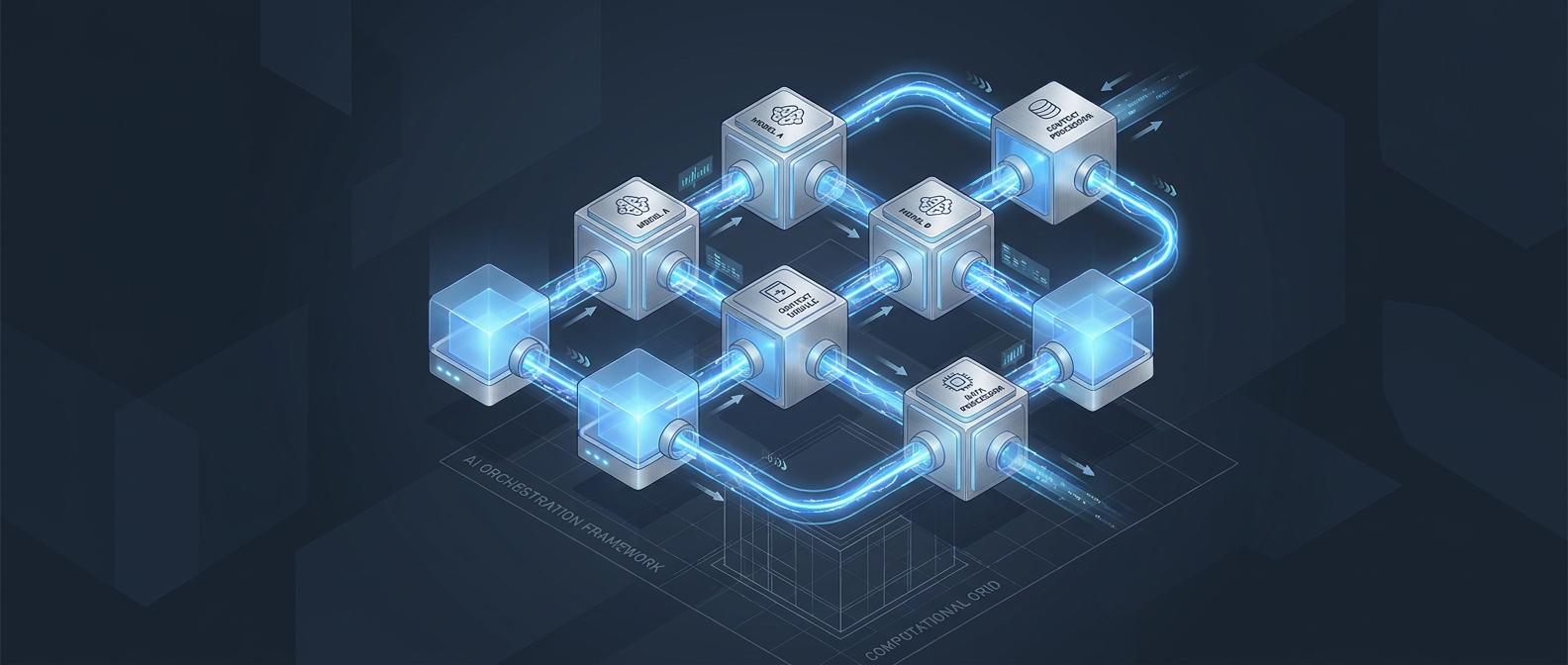
The LLM Plateau: When the Model Stops Being the Moat
As the brute-force scaling of LLMs encounters economic realities, the primary AI moat is shifting from raw model intelligence to context and coordination layers. Discover why context is the new source code and how to build decoupled, resilient AI architectures.
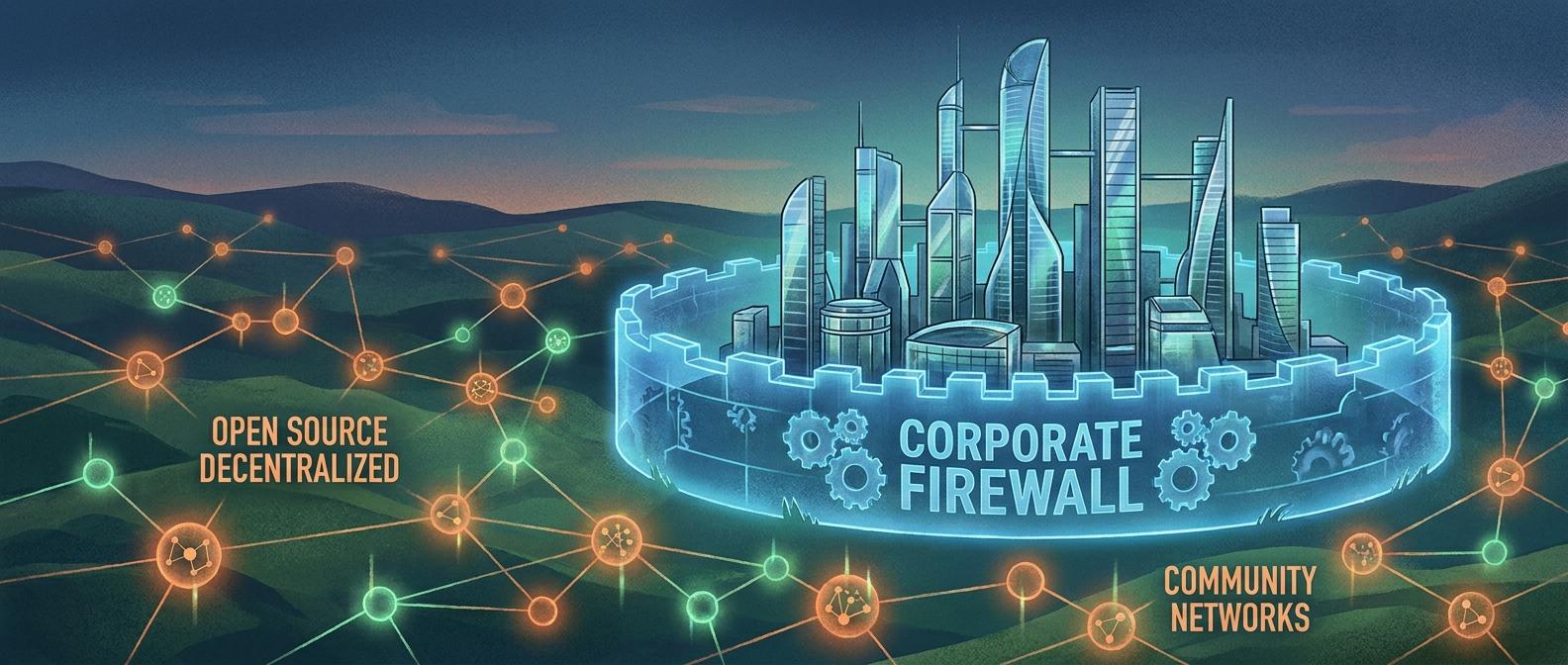
The Regulatory Moat: When the Frontier Becomes a Cartel
The recent viral resignation of an Anthropic researcher revealed more than safety concerns: it exposed an attempt by Silicon Valley insiders to build a regulatory moat around AI. Learn why sovereign, local-first architecture is our only defence against an emerging AI cartel.

Why Agentic Coding Won't Make Software Developers Extinct
A recent LinkedIn post claimed agentic AI coding will turn software development into a lost art like blacksmithing. Here is why that argument completely misses how technical abstractions actually work.

The Expert's Trap: Why Seniority is Stalling AI Adoption
Deep seniority in traditional coding is becoming a barrier to AI innovation. While many veterans use AI merely for boilerplate, non-traditional developers are building agentic systems by rethinking the very nature of software orchestration.

The AI API Trap: Why Enterprises Will Pivot to On-Prem, Specialised Models
The enterprise AI honeymoon is ending. As token costs spiral and vendor lock-in tightens, companies are turning to on-premise Small Language Models to regain control, security, and cost efficiency.